
Once it heads out after dark, block the gap. Don’t trap or move it yourself.
Brushtail possumTrichosurus vulpeculaPhoto: Donald Hobern, CC BY 2.0
Straight answers for WA backyards, each one checked against official sources and dated.
Once it heads out after dark, block the gap. Don’t trap or move it yourself.
Brushtail possumTrichosurus vulpeculaPhoto: Donald Hobern, CC BY 2.0
Call the Wildcare Helpline(08) 9474 9055
Keep it warm, dark and quiet. Don’t give it food or water.
Wildcare Helpline, Western AustraliaSource: DBCA. Checked 9 Oct 2026
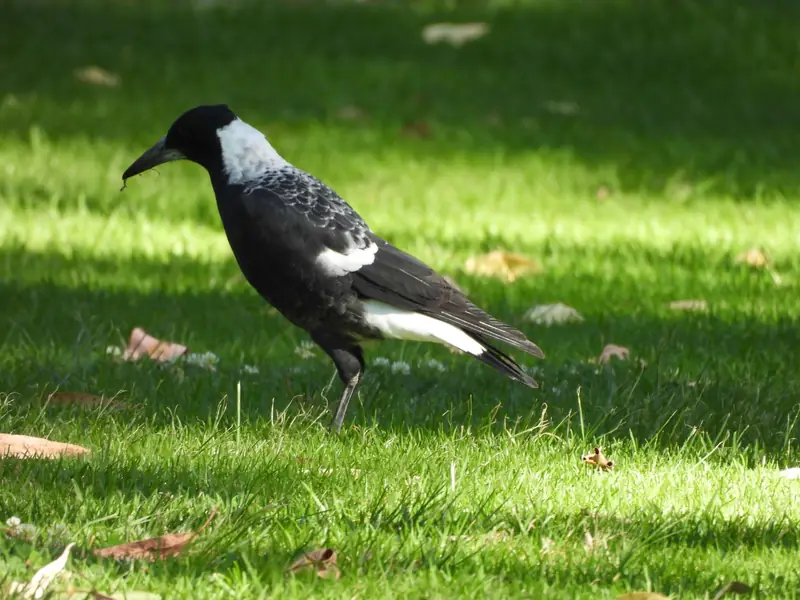
It’s guarding a nest, August to October in WA. Keep moving, don’t run, and never throw things.
Australian magpieGymnorhina tibicenPhoto: (c) PampaSorro, CC BY

Keep back, and keep kids and pets away. Ring the Wildcare Helpline for advice.
DugitePseudonaja affinisPhoto: Cal Wood, CC BY 4.0
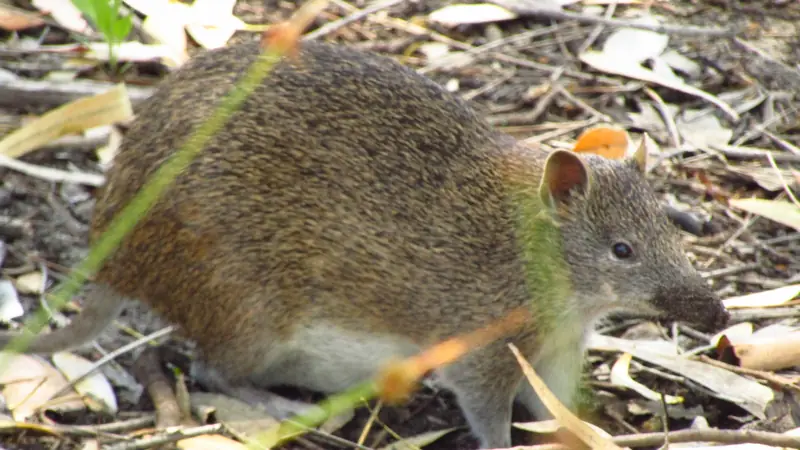
Cone-shaped holes may be a quenda, nosing out grubs and beetles.
QuendaIsoodon fusciventerPhoto: A.J. Anderson, CC BY 4.0

No, not even the crusts. In WA, feeding native wildlife without lawful authority is an offence.
Pacific black duckAnas superciliosaPhoto: Jean and Fred Hort, CC BY 2.0
Sick or dead wild bird? Don’t touch or move it. Note where it is and ring the Emergency Animal Disease Hotline on 1800 675 888: H5 bird flu has been found in WA. DPIRD DBCA
Then: in WA you have 72 hours to release it where you found it, if it can fend for itself, or hand it to a vet or licensed wildlife carer. BC Regs r 126 The helpline can point you to one. DBCA
A threatened species? If you take in one, such as a Carnaby’s cockatoo, you must also tell DBCA in writing within 24 hours. BC Regs r 124
Baby bird on the ground? If it has feathers, leave it alone and watch from a distance. DBCA
Steps from DBCA, WA Wildlife and DPIRD, Western Australia. The 72-hour and 24-hour rules are our reading of the regulations, not legal advice. Checked 9 Oct 2026. Other states’ steps are much the same, but numbers and rules on who may care for wildlife differ: check your state’s agency, or find your state’s number.
are digging, swooping or moving into the roof? Start with what you’re seeing.
keeping you up at night? Let it head out after dark, then shut the door behind it. Like all native animals, it’s protected. DBCA
Wait until it goes out after dark. First block every other gap, leaving only the one it uses. After sunset it heads out to feed. DBCA
Block that gap while it’s out. Use sheet metal, wood or wire netting. Make it permanent in daylight, once you’re sure it hasn’t come back. DBCA
Put up a nest box. A well-placed possum box may tempt it to nest somewhere other than your roof. DBCA Trim branches that hang over the roof, too. DBCA
Not sure it’s a possum? Rats, goannas and phascogales make a racket in roofs too. Possum droppings are the biggest, usually over 2 cm long. DBCA
Only trained, licensed people should handle possums. Moving them often fails, and they can die from stress or predators soon after release. DBCA
The law in WA: trapping a possum, or releasing one anywhere, needs lawful authority such as a licence. BC Act s 149, s 162
In the South West, it may be a western ringtail, which is critically endangered. DBCA DBCA list
The law line is our reading of the Biodiversity Conservation Act 2016, not legal advice. Checked 9 Oct 2026.
bread? Pick an animal and a food. Straight answer, plus the why.
is protected by law if it’s native, and often misunderstood DBCA. Each guide answers the question people actually search for, in its first line.
your backyard, and when is each one out?
24 hours in a WA backyard
Drag the line, or swipe across the chart.
A rough guide to when each animal is out, from the sources below. None gives hour-by-hour times, so the bars are our reading of each. Night hours are shaded.
wildlife friendly, on one page. Mostly it’s about what not to do: in WA it’s an offence to feed native wildlife without lawful authority BC Act s 155, and for birds DBCA suggests fresh water in a bird bath instead DBCA.
Coming soon: this as a one-page printable for your fridge, with every line sourced and the wildlife helpline for your state.
Healthy Wildlife is an independent guide, written in Western Australia. It isn’t a council, government or charity site, and every fact comes from a named source, checked and dated.
The healthywildlife.com.au address once belonged to a different project, run by a group of Perth councils. This site is new, written from scratch, and not connected to that project or to any council.
We don’t give vet advice, and we don’t sell bird seed, feeders or wildlife treats. If an animal is sick or hurt, call the wildlife helpline for your state.

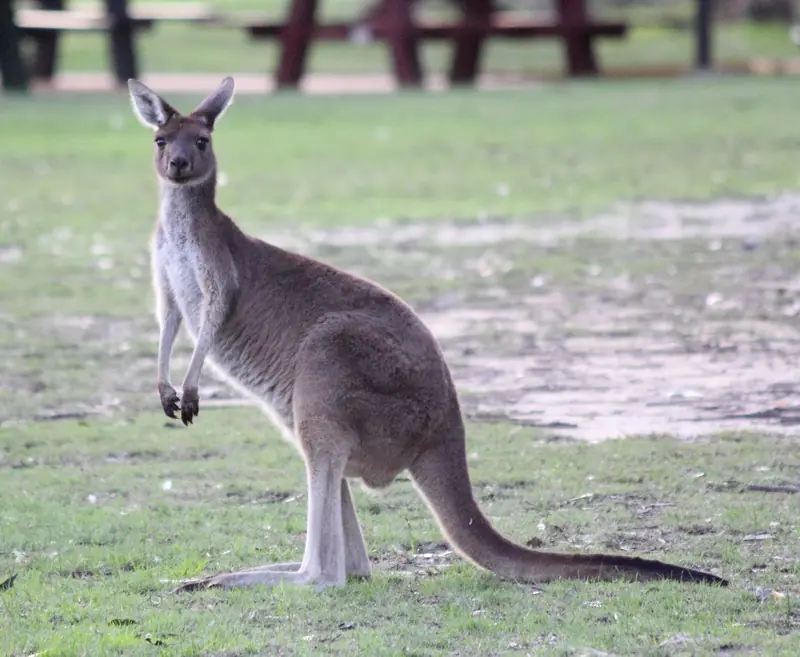

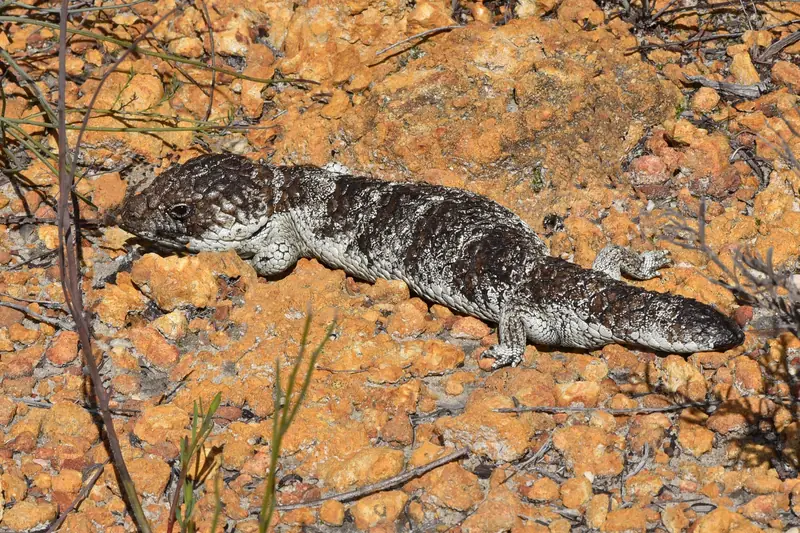
.jpg)